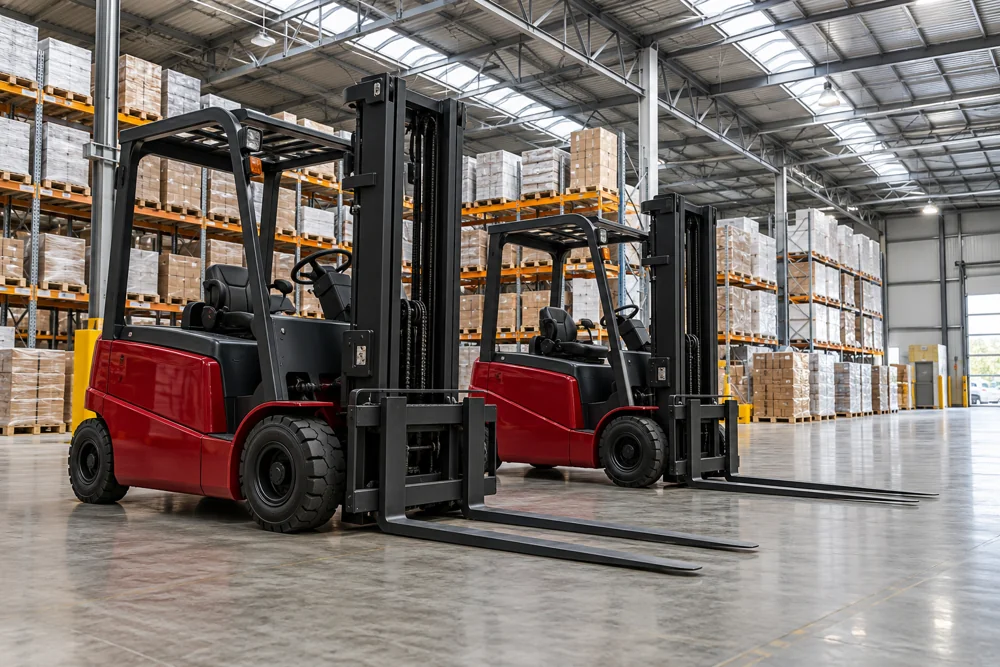
Long-Term Equipment For Predictable Work
A longer agreement can suit a warehouse with steady demand and a clear materials handling requirement. The starting point is the expected duty cycle, not a monthly figure. Record working hours, shift patterns, load types and the period over which the operation is likely to remain similar.
Forklift leasing and long-term rental can describe different commercial arrangements. Ask the provider to identify the exact contract type, the ownership position and what happens at the end. We help you set out the equipment requirement so you can assess a written proposal against the actual needs of your business.
Specify The Truck Before The Contract
A useful specification includes maximum load, load centre, lift height, closed mast height and attachment requirements. The truck also needs to suit aisles, doorways, floor condition and pedestrian arrangements. If the business is moving premises, assess the intended building as well as the current operation.
Power selection should reflect the working environment and the available infrastructure. An electric truck needs a suitable charger, supply and charging location, with a plan that fits the shift pattern. Engine-powered options need assessment of fuel handling, ventilation and the specific operating conditions where the machine will work.
Clarify Maintenance And Responsibility
Do not assume every lease includes servicing, breakdown repairs or replacement equipment. Ask for the maintenance schedule, response arrangements, exclusions and approval process in writing. Identify who arranges thorough examinations and how records will be provided to the person responsible for the truck on site.
Your business still needs daily checks, trained operators and a way to report and control defects. A contract can allocate tasks, but the practical site arrangements must be understood by the people using and managing the truck. Name the internal contact who will track hours, maintenance appointments and changes in use.
Review The Whole Agreement
Compare the agreed term, usage allowance and total committed payments alongside transport and installation charges. Check how excess hours, accidental damage, tyres, batteries and attachments are treated. A cheap-looking monthly figure can conceal a narrow maintenance scope or a usage allowance that does not fit your working pattern.
Ask what happens if demand falls, premises change or the truck becomes unsuitable. Early termination, substitution, extension and end-of-term collection should be clear before signing. If ownership or a purchase option matters, have that position confirmed explicitly rather than relying on the word lease in a sales description.
A Practical Route To A Proposal
Send the operational specification, postcode, preferred delivery period and intended term. Next, review the proposed machine against the load and access requirements. Request a written breakdown of equipment, included services and exclusions, then compare options using the same annual operating assumptions.
Before committing, identify any electrical works, charger installation or layout changes needed at your premises. Set aside time for delivery and familiarisation, with authorised operators available. Keep the contract, instructions, condition record and examination documentation together so the arrangement is manageable throughout its term.
Your Next Steps
- Define the duty cycle and equipment specification.
- Compare written contract scope and exclusions.
- Check site infrastructure and delivery arrangements.
- Track hours, maintenance and return obligations.
Safety, Maintenance And Your Responsibilities
The Provision and Use of Work Equipment Regulations 1998 (PUWER) and the Lifting Operations and Lifting Equipment Regulations 1998 (LOLER) are relevant to lift trucks at work. Your arrangements should cover suitable equipment, competent operators, maintenance and the required thorough examination.
Servicing does not replace thorough examination. Use HSE’s lift-truck guidance to review your responsibilities, and confirm the specific arrangements with the supplier and your competent adviser before the truck is used.
Forklift Lease Questions
Does Forklift Leasing Include Maintenance?
Forklift leasing may include maintenance, but the scope depends on the particular agreement. Ask whether scheduled servicing, parts, labour, call-outs, tyres and batteries are covered, and identify exclusions. Confirm separately who arranges thorough examinations and what happens during a breakdown, because a monthly payment does not by itself define these responsibilities.
Can I Change A Forklift During A Lease?
Changing a forklift during a lease depends on the contract and the provider’s agreement. Describe likely changes in hours, premises, lift heights or loads before committing. Ask for substitution, upgrade, early termination and transport terms in writing so you can judge the consequences if the original specification no longer suits the operation.
Discuss Your Manchester Site
Share your requirements through our commercial enquiry form. We cover Manchester and nearby business locations, with availability and the scope of each request confirmed before an arrangement is made.